Why Continuously Measure Oil-in-Water?
Monitoring oil contamination in water streams is a challenge across a wide range of industrial processes. Whether originating from petroleum products, lubricants, hydraulic fluids, heat transfer systems, food-grade oils, or process leaks, the presence of oil can impact product quality, wastewater treatment efficiency, equipment reliability, and environmental compliance. While floating oil layers are often visible and relatively easy to detect, dissolved and dispersed oil contamination within the water itself can be far more difficult to identify and quantify. This distinction between oil-on-water and oil-in-water is important, as many process, environmental, and treatment decisions depend on knowing the actual concentration of oil present within the water stream.
Traditional laboratory testing and manual sampling methods provide only periodic snapshots of process conditions and can easily miss short-term contamination events, equipment failures, or sudden process upsets. Real-time, inline measurement provides continuous visibility into changing oil concentrations, enabling operators to respond immediately to developing problems, optimize treatment processes, reduce chemical consumption, and prevent costly environmental incidents. Continuous monitoring also provides valuable process data for troubleshooting, regulatory reporting, and long-term operational improvement.
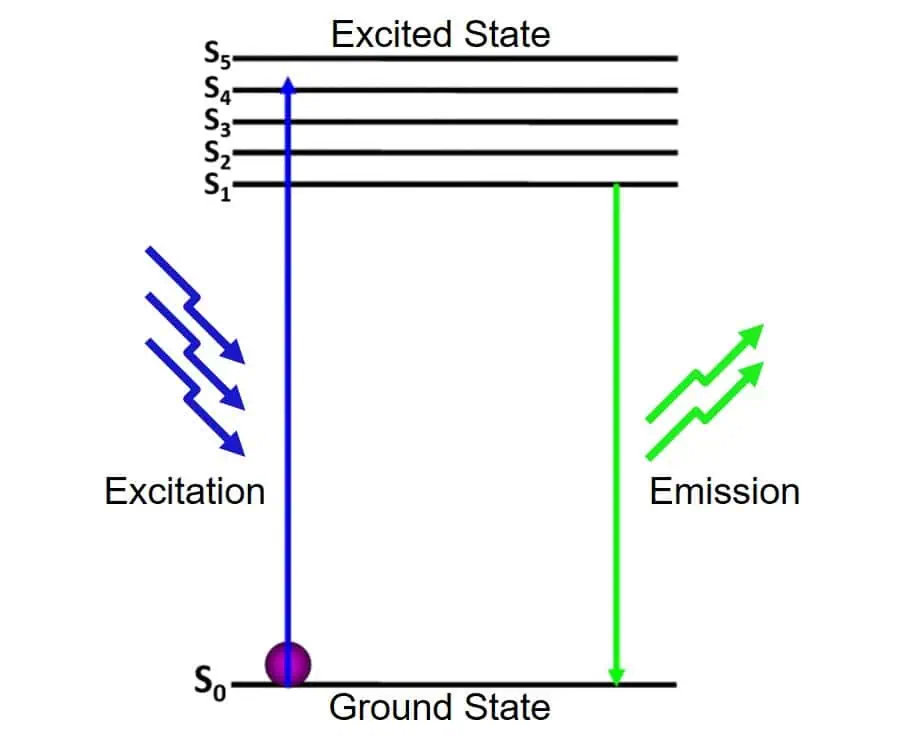
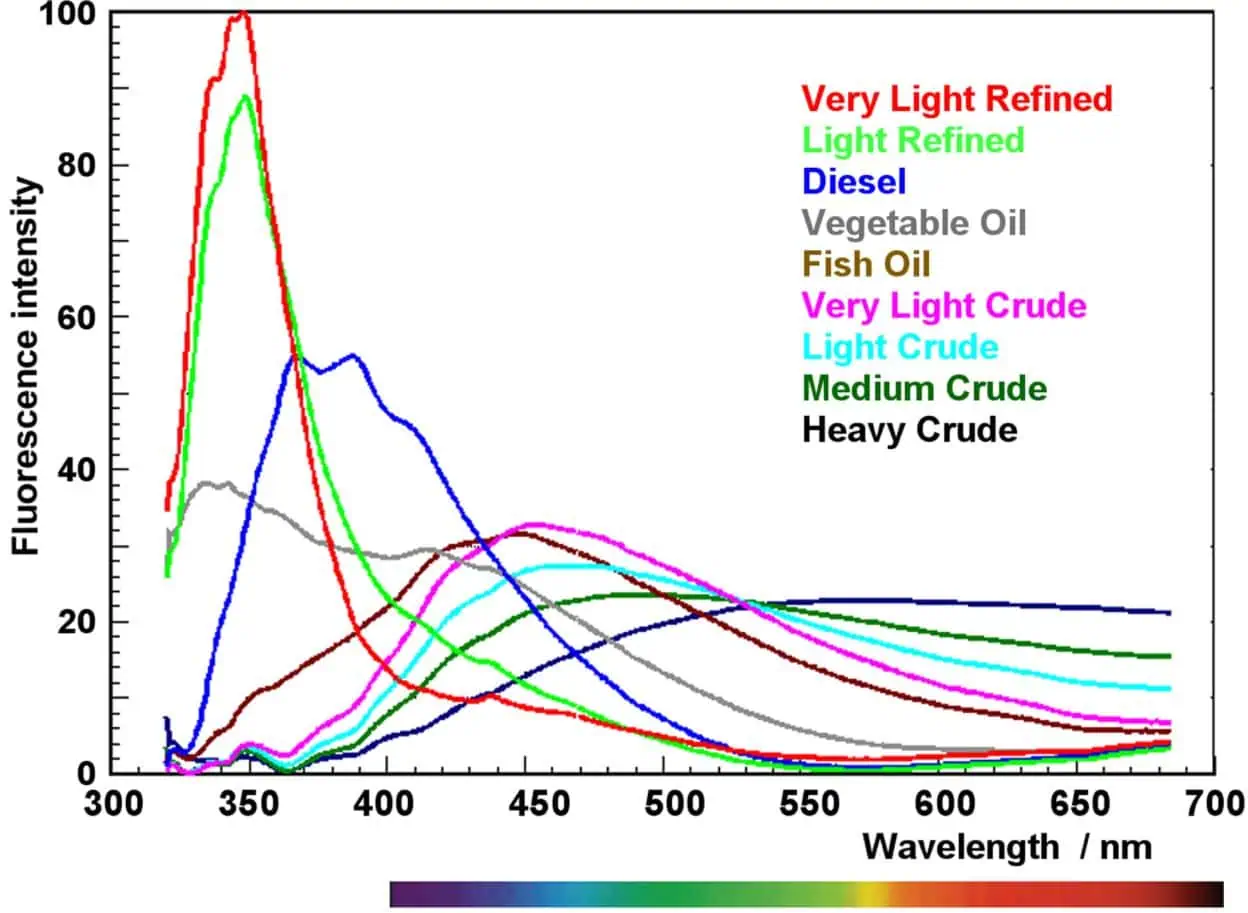
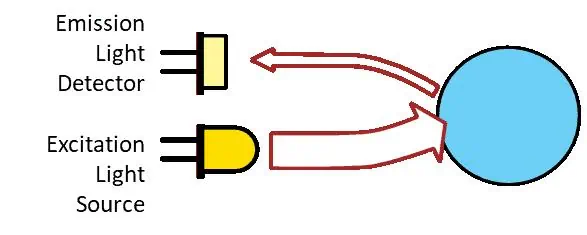
Oils that contain polyaromatic hydrocarbons (PAHs) naturally fluoresce when exposed to ultraviolet light. By measuring this fluorescence, dissolved and dispersed oil concentrations can be monitored continuously with high sensitivity and selectivity. However, vegetable oils, synthetic oils, and aliphatic hydrocarbons contain little or no aromatic content and therefore cannot be reliably measured using fluorescence alone. To address this challenge, the Kemtrak FL007 combines fluorescence and turbidity measurement technologies in a single analyzer. Fluorescence provides selective detection of aromatic hydrocarbon contamination, while the turbidity channel detects non-soluble, non-fluorescing oils by measuring the cloudiness created by dispersed oil droplets within the water stream.
Together, these complementary measurement techniques provide a versatile solution for monitoring a broad range of oil-in-water applications, from produced water and industrial wastewater treatment to heat exchanger leak detection and utility water protection.
Taking the mystery out of measuring trace oil in water
Benefits of Continuous Oil-in-Water Measurement
- Real-time process visibility
- Early detection of leaks and contamination events
- Reduced chemical and operating costs
- Environmental compliance support
- Reduced risk of permit violations
Heat Exchanger Leak Detection
Heat exchanger failures can allow oils, hydrocarbons, lubricants, and other process fluids to migrate into cooling water, condensate, and utility systems, creating the potential for product contamination/loss, reduced process efficiency, equipment contamination, and unplanned maintenance costs. Even minor leaks can have significant operational and economic consequences if left undetected.
Continuous oil-in-water monitoring provides early warning of developing heat exchanger leaks, enabling operators to identify contamination events as they occur and take corrective action before they escalate into major process disruptions. Real-time monitoring helps protect critical equipment, maintain system performance, reduce downtime, and support predictive maintenance strategies.
Typical applications include refinery heat exchangers, petrochemical process equipment, power plant condensate systems, compressor cooling systems, hydraulic oil cooling circuits, and a wide range of industrial utility networks where early leak detection is essential for reliable operation.
Produced Water and Hydrocarbon Wastewater
Produced water and process wastewater generated throughout the oil and gas value chain often contain residual hydrocarbons, including crude oil, condensate, diesel fuel, and other petroleum products. Real-time oil-in-water monitoring enables continuous assessment of separator performance and treatment system efficiency, providing immediate feedback on process conditions. This allows operators to optimize treatment processes, reduce chemical and operating costs, maximize plant uptime, and maintain compliance with increasingly stringent discharge requirements.
Industrial Wastewater and Oily Effluent Monitoring
Industrial wastewater streams often contain a wide range of hydrocarbon contaminants, including lubricating oils, hydraulic fluids, cutting oils, fuels, and other process-related oils. Continuous oil-in-water monitoring provides real-time visibility into wastewater quality, enabling operators to rapidly detect spills, leaks, and process upsets before they impact treatment efficiency, increase operating costs, or create environmental compliance risks.
By delivering immediate feedback on changing contamination levels, online monitoring helps optimize treatment performance, reduce maintenance requirements, and support regulatory compliance across a broad range of industries, including manufacturing, metal processing, transportation facilities, mining operations, chemical processing, and power generation.
Advanced dual fluorescence and turbidity measurement technology enables the detection of both aromatic petroleum-based hydrocarbons and non-aromatic oil contaminants using a single analyzer platform, providing comprehensive monitoring capability for diverse industrial wastewater applications.
Drinking Water Purity
Detecting oil contamination in drinking water is essential for protecting public health and maintaining access to safe, clean water. Even small amounts of oil can compromise water quality and pose potential health risks to consumers.
Oil contamination can also result in significant economic costs, including extensive cleanup operations, environmental remediation, and infrastructure upgrades needed to prevent future occurrences.
Implementing reliable oil detection systems enables rapid identification and response to contamination events. Early detection helps minimize risks, maintain water quality, reduce costs, and ensure the continued safety and well-being of communities.
Cooling Water and Utility Water Protection
Cooling water and utility water systems often provide the earliest indication of process contamination, making them strategic monitoring points for protecting critical plant infrastructure. The presence of oil or hydrocarbons in a cooling loop can signal seal failures, heat exchanger leaks, lubrication system malfunctions, or other developing equipment issues that may otherwise go unnoticed until significant damage has occurred.
Continuous oil-in-water monitoring delivers real-time protection for these essential utility systems by providing immediate detection of contamination events. Early warning enables operators to respond quickly, helping to prevent fouling, corrosion, equipment damage, treatment system overloads, and costly unplanned downtime. The result is improved asset protection, enhanced operational reliability, and reduced maintenance costs across the facility.
Frequently Asked Questions
Have more questions? Take a quick moment to get in touch with our expert sales engineers and technologists and we'll guide you to a solution.
SOUTH FORK INSTRUMENTS IS COMMITTED TO SOLVING YOUR FACTORY AND PROCESS AUTOMATION CHALLENGES
Why Choose South Fork Instruments?
We’re both a supplier of pH measurement solutions and a partner in your production success. Our inline pH sensors and controllers are assembled with your specific needs in mind. Contact us today to explore how our pH solutions can transform your operations.
SOUTH FORK INSTRUMENTS
3845 Buffalo Road
Auburn, CA 95602
Tel: (+1) 925-461-5059